Blog
Silicone Solutions for Textile Printing

High-performance silicone systems for 3D effects, clean hand feel, strong adhesion, and reliable wash durability.
Silicone textile printing is widely used to create functional and decorative effects on garments, sportswear, accessories, and technical textiles. Compared with conventional ink systems, silicone materials can deliver better elasticity, stronger 3D appearance, improved touch, and more stable wash performance. With the right formulation system, manufacturers can achieve both visual impact and production consistency.
At Chengyin, we provide silicone solutions for different textile printing processes, including screen printing, heat transfer, mold transfer, and machine printing. Our product systems are designed to help customers solve real production challenges such as poor adhesion, unstable curing, insufficient thickness build-up, rough hand feel, and weak wash resistance.
Typical Challenges in Textile Printing
- Insufficient 3D height or poor edge definition
- Uneven leveling and unstable surface appearance
- Weak adhesion on difficult fabrics
- Poor elasticity and cracking after stretching
- Low wash durability or peeling after repeated laundering
- Curing inhibition caused by substrate additives or transfer materials
- Inconsistent hand feel between batches or different product lines
Our Textile Printing Silicone System
We provide a structured silicone system for textile printing applications.
1. High Density Silicone
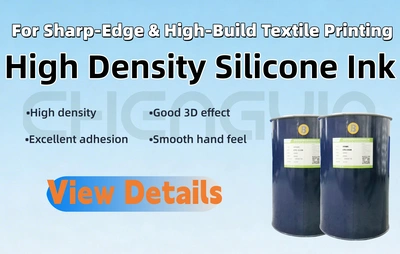
High density silicone is used to create raised, sharp-edge, and 3D printing effects. It is suitable for logos, bold patterns, and applications where strong visual impact is required.
- Fast thickness build-up
- Strong 3D effect
- Sharp edge definition
- Good adhesion on absorbent fabrics
2. Round Edge Silicone
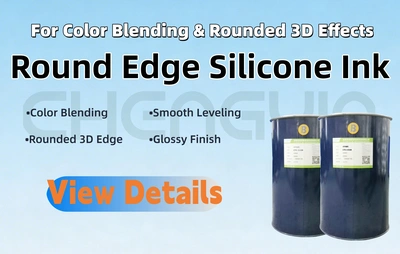
Round edge silicone is designed for smooth leveling, color adjustment, and rounded surface effects. It is especially suitable when customers want softer edge transition, better flowability, and cleaner color performance.
- Excellent leveling
- Smooth rounded appearance
- Good flowability
- Suitable for color blending
3. Gloss / Matte Top Coat Silicone
Top coat silicone is used to adjust the final surface finish and hand feel of printed graphics.
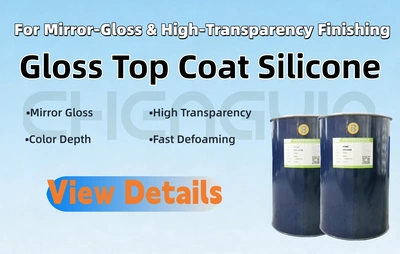
- Gloss Top Coat: for bright, clear, mirror-like finish
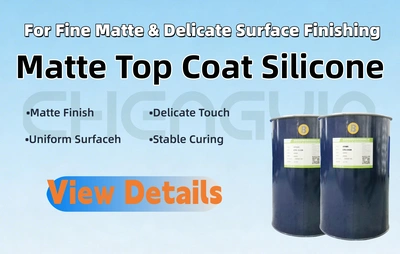
- Matte Top Coat: for soft, fine, non-glossy surface effect
- Surface appearance control
- Better hand feel
- Extra finishing protection
- Improved product presentation
4. Heat Transfer Silicone
Heat transfer silicone is suitable for transfer printing systems where production efficiency, clean pattern transfer, and stable final appearance are important.
- Strong wash durability
- Good flexibility
- Clean transfer performance
- Suitable for production efficiency improvement
5. Mold Transfer Silicone
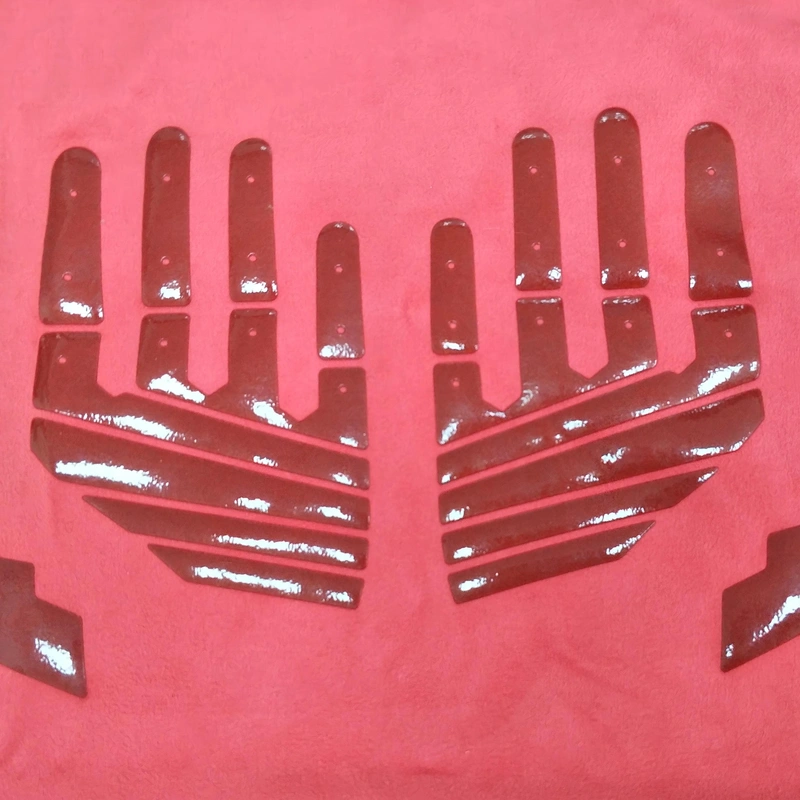
Mold transfer silicone is designed for molded transfer structures requiring soft touch, strong tensile strength, and stable formed shape.
- Soft hand feel
- Good filling performance
- Strong tensile strength
- No edge lifting or curling after forming
6. Machine Printing Silicone
Machine printing silicone is developed for automated textile printing lines, helping improve operational stability and production consistency.
- Stable machine performance
- Suitable viscosity control
- Efficient production
- Reliable curing and printing consistency
Recommended Products
For 3D and Raised Effects
- High Density Silicone
- Sharp-edge silicone systems
- Thick build-up silicone printing materials
For Smooth Surface and Color Blending
- Round Edge Silicone
- Leveling silicone systems
- Silicone for color printing adjustment
For Surface Finishing
- Gloss Top Coat Silicone
- Matte Top Coat Silicone
For Transfer Printing
- Heat Transfer Silicone
- Mold Transfer Silicone
For Automated Production
- Machine Printing Silicone
If you are not sure which grade fits your process, we can recommend suitable products based on your fabric type, printing method, target effect, and line condition.
Typical Textile Printing Applications
- Sportswear logos and functional graphics
- Fashion garment printing
- T-shirt and hoodie decoration
- Stretch fabric printing
- Heat transfer labels
- Molded transfer graphics
- Technical textile marking
- Decorative silicone printing on accessories and bags
Process Notes
Select the right silicone by effect
Different effects require different systems. High density silicone is suitable for sharp and high 3D patterns, while round edge silicone is more suitable for smooth and leveled printing effects.
Match the material with the fabric
Fabric structure strongly affects adhesion, leveling, and curing stability. Absorbent fabrics, elastic fabrics, and coated fabrics may need different viscosity or bonding performance.
Control curing stability
Curing inhibition may occur due to fabric additives, films, or contaminants. Anti-poisoning capable grades and proper process matching can reduce these risks.
Balance appearance and hand feel
The final print should not only look good but also feel comfortable. Top coat selection is important when balancing gloss, matte, smoothness, and softness.
Optimize for production method
Screen printing, machine printing, and transfer printing require different viscosity and process compatibility. A good silicone system should match both the visual target and the production method.
Why Chengyin
- Product systems for different textile printing processes
- Support for 3D effect, hand feel, and wash durability optimization
- Anti-poisoning support for difficult substrates
- OEM customization and sample testing
- Technical guidance for process improvement and grade selection
FAQ
Q1: What is the difference between high density silicone and round edge silicone?
A: High-density silicone is designed for applications requiring sharp edges and strong 3D raised effects, such as garment labels, embossed logos, and anti-slip patterns.Round edge silicone, on the other hand, is formulated to flow smoothly and self-level, making it ideal for flat surface coatings, even thickness distribution, and achieving a rounded, uniform appearance. Both types can be colored, but Round edge silicone typically offers better wetting and leveling properties for large-area applications.
Q2: Which silicone is suitable for gloss or matte finishing?
A: For high-gloss, reflective surfaces that enhance color vibrancy, choose Gloss Topcoat Silicone. For a non-reflective, elegant look with better scratch and fingerprint resistance, choose Matte Topcoat Silicone. The choice depends on the desired visual effect and the end-use application—gloss for fashion and decorative items, matte for automotive interiors, consumer electronics, and anti-glare surfaces.
Q3: Can silicone printing be used on elastic fabrics?
A: Yes. Silicone printing systems are widely used on elastic and stretch fabrics because of their flexibility and rebound performance. Suitable grade selection is important for stable adhesion.
Q4: Why does silicone sometimes fail to cure on certain fabrics?
A: Silicone curing failure, often called “curing inhibition,” is usually caused by contaminants or incompatible chemistry on the fabric surface. Common culprits include sulfur-containing compounds (e.g., from rubber stabilizers), tin-based catalysts (e.g., from PU coatings), amine compounds (e.g., from certain dyes), or residue from release agents and mold lubricants. Even hand oils can cause inhibition. If you’re experiencing curing issues, we can help identify the cause and recommend a more compatible silicone grade or a barrier coating solution.
Q5: Do you provide samples for textile printing silicone?
A: Yes. We offer free samples, and customers cover the shipping cost.
Q6: What is your MOQ?
A: Our MOQ is 20 kg.
Q7: What is your lead time?
A: Our standard lead time is 7–15 business days after order confirmation.
Get a Recommended Printing System
Tell us your fabric type, printing method, target effect, and current production issue. We can recommend suitable textile printing silicone grades and matching process suggestions for your application.
Contact us for samples and technical support.
Recommended Products