


Blog
Why Liquid Silicone Is a Better Choice for Anti-Slip Sock Printing

Introduction
Anti-slip socks are now widely used in yoga, Pilates, trampoline parks, hospitals, baby products, sportswear and home comfort products. For manufacturers, the anti-slip pattern is not only a functional detail. It also affects the product’s comfort, durability, appearance and customer experience.
Many factories still use plastisol, PVC or other traditional materials for sock grip printing. However, as brands pay more attention to soft hand feel, elasticity, skin contact safety and long-term wearing performance, liquid silicone has become a more premium choice for anti-slip sock production.
So why are more sock factories considering liquid silicone for anti-slip printing?
What Is Anti-Slip Liquid Silicone?
Anti-slip liquid silicone is a two-component silicone material designed for textile printing. It can be printed onto socks, gloves, sportswear, underwear and other elastic fabrics through screen printing or dipping processes.
After curing, the silicone forms a flexible rubber-like grip layer on the fabric surface. It provides strong anti-slip performance while maintaining softness, stretch and comfort.
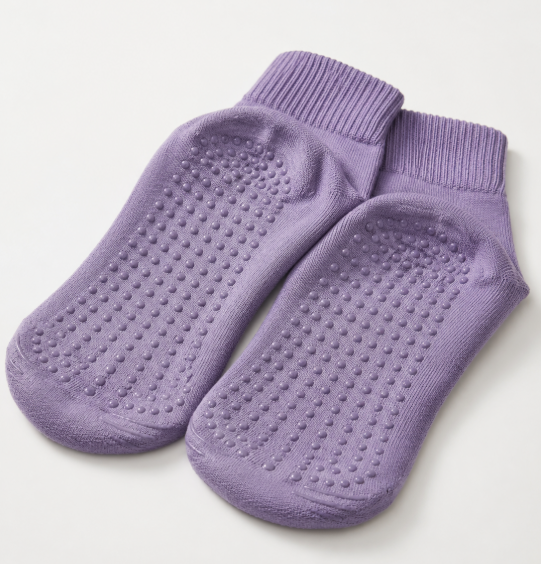
For socks, liquid silicone can be used to create dots, logos, stripes, brand patterns or customized grip designs. The final effect can be transparent, colored, matte, glossy, thick, thin, soft or highly elastic depending on the formula and process.
Why Use Liquid Silicone for Anti-Slip Socks?
1. Better Anti-Slip Performance
The main purpose of anti-slip sock printing is grip. Liquid silicone has excellent surface friction after curing, which helps improve traction on smooth floors, yoga mats, hospital floors and indoor surfaces.
Compared with some traditional printing materials, silicone grip can provide a more stable anti-slip effect without making the sock feel hard or uncomfortable.
This makes it suitable for:
- Yoga socks
- Pilates socks
- Trampoline socks
- Baby socks
- Hospital anti-slip socks
- Home socks
- Sports socks
- Compression socks
2. Soft and Comfortable Hand Feel
Comfort is very important for socks because the printed area touches the foot directly or bends repeatedly during movement.
Liquid silicone remains soft and flexible after curing. It does not create a stiff plastic feeling on the fabric. This is especially important for high-end socks, baby socks and sports socks where users care about comfort as much as function.
A good silicone grip should not feel too hard, too sticky or too rough. It should provide grip while keeping the sock comfortable to wear.
3. Excellent Elasticity for Knitted Fabrics
Socks are usually made from cotton, polyester, nylon, spandex or blended elastic fabrics. During wearing, washing and stretching, the anti-slip print must move together with the fabric.
Liquid silicone has strong elasticity and flexibility. It can stretch with the sock without easily cracking, peeling or breaking.
This is one of the key reasons why liquid silicone is suitable for sock printing. It helps maintain both grip performance and appearance after repeated use.
4. Good Wash Resistance
For sock manufacturers and brands, wash durability is one of the most important quality standards. If the anti-slip dots fall off after several washes, customers will complain and the product value will decrease.
Properly cured liquid silicone can achieve good adhesion and wash resistance on suitable fabrics. With the correct formula, screen mesh, curing temperature and process control, silicone prints can remain stable after repeated washing.
For factories, sample testing is strongly recommended before mass production. Different fabrics, yarn structures and finishing treatments may affect adhesion.
5. Customizable Colors and Patterns
Liquid silicone is not limited to simple transparent dots. It can be mixed with color paste to create customized colors based on brand needs.
Manufacturers can print:
- Brand logos
- Anti-slip dots
- Geometric patterns
- Animal shapes
- Text designs
- Full sole grip areas
- Decorative grip patterns
This allows the anti-slip area to become both functional and decorative.
For brands, this is a good way to improve product recognition and create a more premium look.
Liquid Silicone vs. PVC or Plastisol
Many sock factories are familiar with PVC or plastisol because these materials are commonly used in textile printing. However, for higher-end anti-slip socks, liquid silicone offers several advantages.
Liquid Silicone Advantages
- Softer touch
- Better elasticity
- Stronger flexibility
- Good anti-slip effect
- Better comfort for skin contact products
- Suitable for premium socks and sports products
- Can create transparent, colored, matte or glossy effects
- Good durability after proper curing
Traditional Material Limitations
Some traditional materials may feel harder, less elastic or less comfortable after repeated stretching and washing. For socks that need high flexibility, this can affect the final wearing experience.
This does not mean every factory must replace its current material immediately. The best approach is to test liquid silicone on the same fabric and compare the final result directly.
Key Points for Successful Silicone Sock Printing
To achieve a good anti-slip effect, the material alone is not enough. The production process is also important.
1. Choose the Right Silicone Formula
Different sock applications may require different silicone properties. For example, yoga socks may need stronger grip, while baby socks may need a softer hand feel.
A professional silicone supplier should recommend the right formula based on the fabric, printing process and final product use.
2. Control the Printing Thickness
The thickness of silicone affects grip, softness, curing time and appearance. A thin layer may feel softer, while a thicker layer may provide stronger grip and a more 3D effect.
For screen printing, factories can adjust thickness by changing the mesh, squeegee pressure and printing times.
3. Ensure Proper Curing
Curing is a critical step. If the silicone is not fully cured, the final print may have poor adhesion, weak durability or surface stickiness.
Common curing conditions depend on the silicone formula and production setup. Before mass production, factories should confirm the suitable temperature and time through sample testing.
4. Test Adhesion and Washing Performance
Before bulk production, it is important to test:
- Adhesion to fabric
- Stretching performance
- Washing durability
- Hand feel
- Anti-slip effect
- Color stability
- Surface appearance
Testing helps avoid production risk and gives the customer more confidence before placing a large order.
Who Can Use Anti-Slip Liquid Silicone?
Anti-slip liquid silicone is suitable for many types of manufacturers, including:
- Sock factories
- Textile printing factories
- Sportswear manufacturers
- Baby product manufacturers
- Yoga and Pilates sock brands
- Hospital sock suppliers
- Glove manufacturers
- Garment accessory factories
It is especially suitable for factories that want to upgrade from traditional grip printing materials to a softer, more flexible and more premium solution.
Why Work With a Professional Silicone Supplier?
A good silicone supplier should not only sell material. They should also help customers solve production problems.
For anti-slip sock printing, customers may need support with:
- Formula selection
- Color matching
- Printing process suggestions
- Curing conditions
- Sample testing
- TDS and MSDS documents
- Certification support
- Troubleshooting during production
This is especially important for factories that are testing liquid silicone for the first time.
Chengyin Silicone Anti-Slip Liquid Silicone Solution
Chengyin Silicone focuses on liquid silicone materials for textile printing, underwear bonding, silicone leather and medical dressing applications. For sock anti-slip printing, we can provide liquid silicone materials with good grip, soft touch, flexibility and wash resistance.
Our silicone can be used for anti-slip dots, logos, stripes and customized sock grip patterns. We can also support customers with sample testing and process suggestions based on their fabric and production method.
If you are currently using PVC, plastisol or other grip materials, we recommend testing liquid silicone on your own socks. A direct comparison can help you clearly evaluate the difference in touch, elasticity, grip and final product quality.
Conclusion
Anti-slip printing is a small detail, but it can strongly influence the quality and value of socks. Liquid silicone offers a good balance of grip, comfort, elasticity and durability, making it a strong choice for modern sock manufacturers and textile printing factories.
For factories that want to produce higher-quality anti-slip socks, liquid silicone is worth testing.
Looking for anti-slip liquid silicone for sock printing? Contact Chengyin Silicone to get product recommendations, technical support and sample testing.