


Blog
How to Choose the Right Silicone for Textile Screen Printing

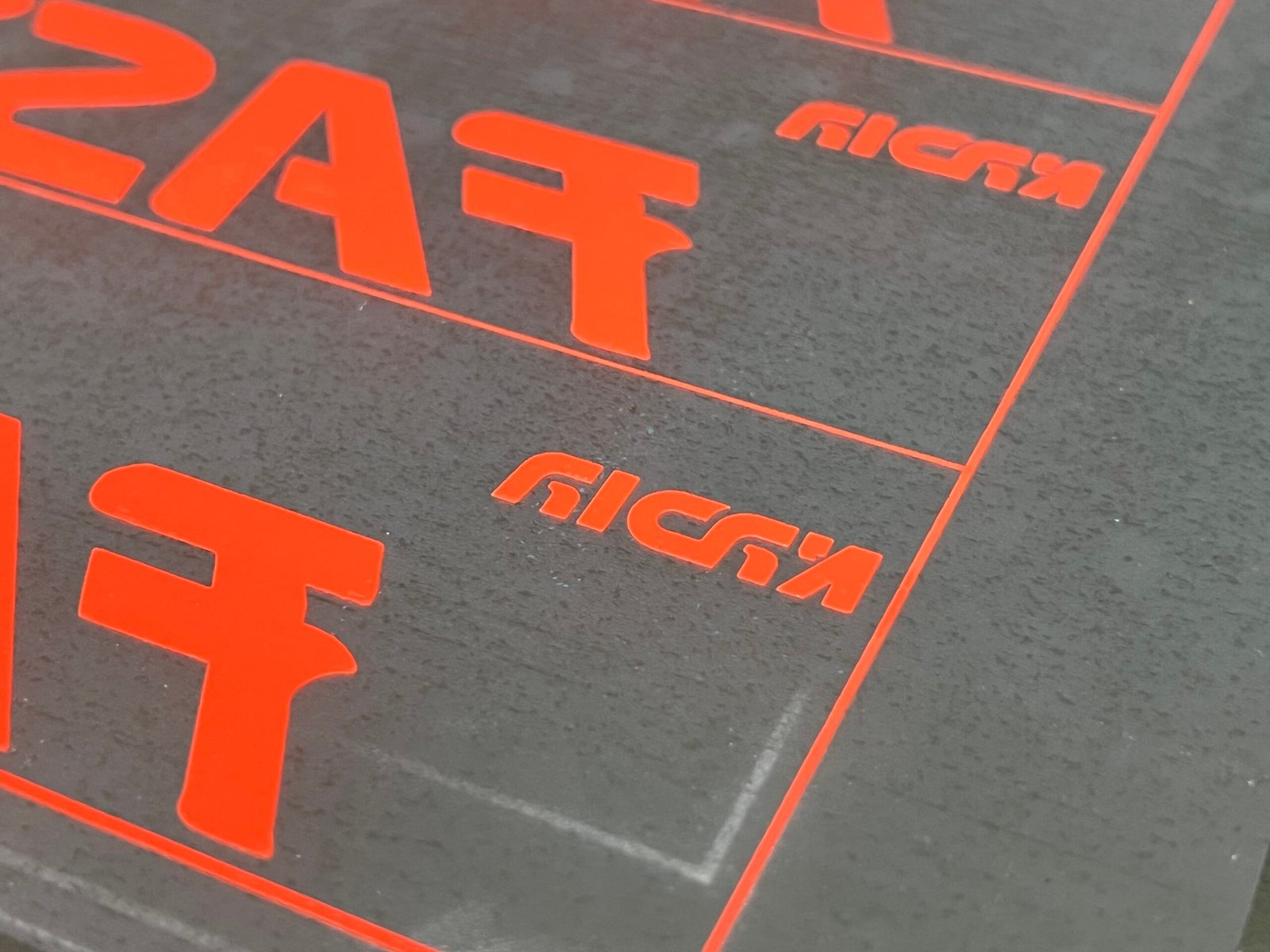
Liquid silicone is widely used in textile screen printing because it provides excellent elasticity, a soft hand feel, strong adhesion, and a high-quality three-dimensional appearance.
It can be applied to garment logos, sportswear, anti-slip socks, heat transfer labels, gloves, underwear, yoga wear, and many other textile products.
However, there is no single silicone product that is suitable for every printing effect.
Different silicone materials have different functions. Some are used to build thickness, some create smooth edges, while others are used to produce matte, glossy, anti-slip, or heat transfer effects.
Choosing the correct silicone system is essential for achieving stable printing quality and efficient production.
This guide explains the main types of textile printing silicone and how to select the right product for different applications.
1. High-Density Silicone
High-density silicone is mainly used to build thickness and create a clear three-dimensional printing effect.
It is suitable for logos, letters, patterns, and raised designs that require sharp edges and a strong visual appearance.
This type of silicone normally has good structural stability, which helps the printed pattern maintain its shape during repeated printing.
Main Features
Suitable for thick and raised printing
Good shape retention
Clear and straight printing edges
Strong three-dimensional effect
Suitable for repeated printing layers
Typical Applications
Garment logos
Sportswear branding
Shoe labels
Bags and accessories
Thick textile patterns
Heat transfer logos
For high-build printing, the required thickness is usually created through multiple printing passes instead of one very thick layer.
2. Round Silicone
Round silicone is used to create smooth, soft, and rounded printing edges.
Compared with high-density silicone, it normally provides better flow and leveling. This helps create a more natural surface without excessively sharp corners.
Round silicone is commonly used as a base layer or middle layer in textile silicone printing.
Main Features
Smooth surface
Soft and rounded edges
Good leveling performance
Comfortable hand feel
Suitable for flexible fabrics
Typical Applications
Clothing labels
Sportswear
Elastic fabrics
Underwear
Decorative textile patterns
Heat transfer printing
Round silicone is especially useful when the customer wants the printed design to look softer and more natural.
3. Matte Silicone
Matte silicone is used as a surface layer to create a low-gloss appearance.
It is suitable for customers who prefer a soft, modern, and understated surface effect.
Matte silicone does not normally serve as the main thickness-building material. It is usually printed on top of the base or middle silicone layers.
Main Features
Low-gloss surface
Soft visual effect
Comfortable touch
Suitable for premium garment branding
Good flexibility
Typical Applications
Fashion garments
Sportswear logos
Underwear
Yoga wear
Premium textile labels
Anti-slip sock patterns
The final matte effect may vary according to the printing thickness, curing conditions, pigment dosage, and fabric surface.
4. Glossy Silicone
Glossy silicone is used to create a bright, smooth, and reflective surface.
It is often selected when the customer wants the printed pattern to appear more noticeable or decorative.
Like matte silicone, glossy silicone is generally used as the final surface layer.
Main Features
Bright and smooth appearance
Good transparency
Clear color presentation
Strong decorative effect
Suitable for fashionable designs
Typical Applications
Decorative garment logos
Children’s clothing
Sportswear
Bags
Shoe materials
Heat transfer labels
Glossy silicone can also make colors appear more vivid, especially when used with suitable silicone pigments.
5. Anti-Slip Silicone
Anti-slip silicone is developed for applications that require surface friction.
It is commonly used on socks, gloves, floor mats, yoga products, underwear, and other textile products where grip performance is important.
Compared with traditional PVC or plastisol materials, liquid silicone provides good flexibility and a soft touch after curing.
Main Features
Strong surface friction
Soft and elastic
Comfortable for skin contact
Suitable for repeated stretching
Good durability
Typical Applications
Anti-slip socks
Yoga socks
Hospital socks
Baby socks
Gloves
Underwear grip strips
Elastic bands
Floor mats
For anti-slip socks, the silicone should be selected according to the fabric, pattern size, printing method, and required friction level.
6. Heat Transfer Silicone
Heat transfer silicone is used to produce silicone logos or patterns on transfer film before applying them to fabric.
This process allows manufacturers to prepare printed designs separately and transfer them onto garments later.
Heat transfer silicone systems may include:
Round silicone
High-density silicone
Matte or glossy silicone
Silicone pigment
Hot-melt adhesive
Catalyst and related additives
Main Features
Suitable for pre-made logos
Clear and precise pattern
Convenient for garment production
Suitable for multiple colors
Strong decorative effect
Typical Applications
Sportswear logos
Brand labels
Shoe logos
Bags
Fashion garments
Heat transfer badges
The performance of heat transfer silicone depends not only on the silicone but also on the transfer film, hot-melt adhesive, printing process, and heat press conditions.
7. Machine Printing Silicone
Machine printing silicone is designed for automatic or semi-automatic textile printing equipment.
It normally requires stable viscosity, good leveling, and consistent curing performance.
Compared with manual printing, machine printing places greater demands on production consistency.
Main Features
Stable viscosity
Suitable for continuous printing
Good leveling
Consistent printing performance
Suitable for large-volume production
Typical Applications
Automatic garment printing
Large-volume logo production
Roll-to-roll textile printing
Repeated pattern printing
Industrial textile applications
Before selecting a machine printing silicone, the manufacturer should provide information about the printing machine, screen mesh, production speed, and fabric type.
8. Mold Transfer Silicone
Mold transfer silicone is used to form logos or patterns inside a mold.
After curing, the silicone design can be transferred or bonded onto textile materials.
This process is suitable for producing detailed, three-dimensional, and consistent silicone labels.
Main Features
Precise shape reproduction
Suitable for detailed designs
Stable dimensions
Good three-dimensional effect
Suitable for repeated production
Typical Applications
Silicone labels
Shoe logos
Garment badges
Bag accessories
Decorative textile parts
Molded brand logos
The mold design, silicone flow, curing temperature, and demolding performance all affect the final result.
How to Select the Correct Silicone
When choosing textile printing silicone, consider the following factors.
1. Required Surface Effect
First determine the appearance required by the customer.
Sharp and raised effect: high-density silicone
Smooth and rounded effect: round silicone
Low-gloss finish: matte silicone
Bright surface: glossy silicone
Grip effect: anti-slip silicone
2. Fabric Type
Different fabrics have different surface structures and elasticity.
Common textile materials include:
Cotton
Polyester
Nylon
Spandex
Polyester-spandex
Nylon-spandex
Knitted fabric
Woven fabric
Highly elastic fabrics require silicone with suitable flexibility and elongation.
The same silicone may perform differently on different fabrics, so testing on the actual production fabric is essential.
3. Printing Method
The silicone must match the production process.
Common methods include:
Manual screen printing
Automatic screen printing
Heat transfer printing
Mold transfer
Coating
Dipping
Roller application
A silicone suitable for manual screen printing may not provide the same performance on an automatic machine.
4. Required Thickness
Thin surface printing and thick three-dimensional printing require different materials and techniques.
For thick designs, use a silicone with good structural stability and build the thickness gradually through multiple printing passes.
For thin and smooth printing, choose a product with good leveling and flexibility.
5. Curing Conditions
The silicone must be compatible with the available curing equipment and fabric heat resistance.
Important factors include:
Oven temperature
Curing time
Layer thickness
Production speed
Fabric stability
Number of printing layers
Many textile silicone products are cured at approximately 130°C, but the exact curing conditions should follow the product specification and actual production test.
6. Color Requirements
Silicone pigment is used to produce different colors.
The pigment must be compatible with the silicone system. Excessive pigment may affect viscosity, curing, elasticity, and adhesion.
For new colors, manufacturers should first conduct a small-batch test.
7. Final Product Requirements
The final application determines which performance characteristics are most important.
For example:
Anti-slip socks require friction and flexibility.
Sportswear logos require elasticity and washing resistance.
Underwear requires softness and skin comfort.
Heat transfer labels require transfer stability and adhesion.
Shoe logos require dimensional stability and durability.
The silicone should always be selected according to the final use of the product.
A Common Textile Silicone Printing System
A complete textile silicone printing system may include several materials.
For example:
Round silicone for the base layer
High-density silicone for building thickness
Matte or glossy silicone for the final surface
Silicone pigment for color
Catalyst for curing
Thinner for viscosity adjustment when required
Not every printing project requires all these materials.
The correct combination depends on the required effect, fabric, printing method, and production equipment.
Why Sample Testing Is Important
Technical data provides useful guidance, but actual production conditions vary between factories.
Differences may include:
Fabric composition
Surface treatment
Screen mesh
Squeegee pressure
Oven performance
Printing speed
Ambient temperature
Operator technique
For this reason, manufacturers should test the silicone on the actual fabric before mass production.
A standard sample test should evaluate:
Printing smoothness
Surface appearance
Adhesion
Elasticity
Repeated stretching
Washing resistance
Curing performance
Final hand feel
Testing helps manufacturers identify the most suitable silicone system and reduce production risk.
Chengyin Silicone Textile Printing Solutions
Dongguan Chengyin Silicone Tech Co., Ltd. provides liquid silicone solutions for textile printing and related applications.
Our textile silicone product range includes:
High-density silicone
Round silicone
Matte silicone
Glossy silicone
Anti-slip silicone
Heat transfer silicone
Machine printing silicone
Mold transfer silicone
Silicone pigment
Catalyst
Thinner and related additives
We can recommend a suitable silicone system according to your fabric, printing process, production equipment, and required surface effect.
Sample testing is available for manufacturers who want to evaluate product performance before bulk purchasing.
Conclusion
Choosing the right silicone is one of the most important steps in textile screen printing.
High-density silicone is suitable for building thickness, round silicone creates smooth edges, matte and glossy silicone control the final surface appearance, while anti-slip and heat transfer silicone are developed for specific applications.
The best silicone system depends on:
Fabric type
Printing method
Required thickness
Surface effect
Curing conditions
Final product requirements
Before mass production, always test the complete silicone system on the actual fabric and under the real production conditions.
For product recommendations or sample testing, contact Chengyin Silicone and provide details about your fabric, printing method, required effect, and production equipment.