


Blog
Why Does Silicone Printing Peel Off Fabric? Causes and Solutions

Introduction
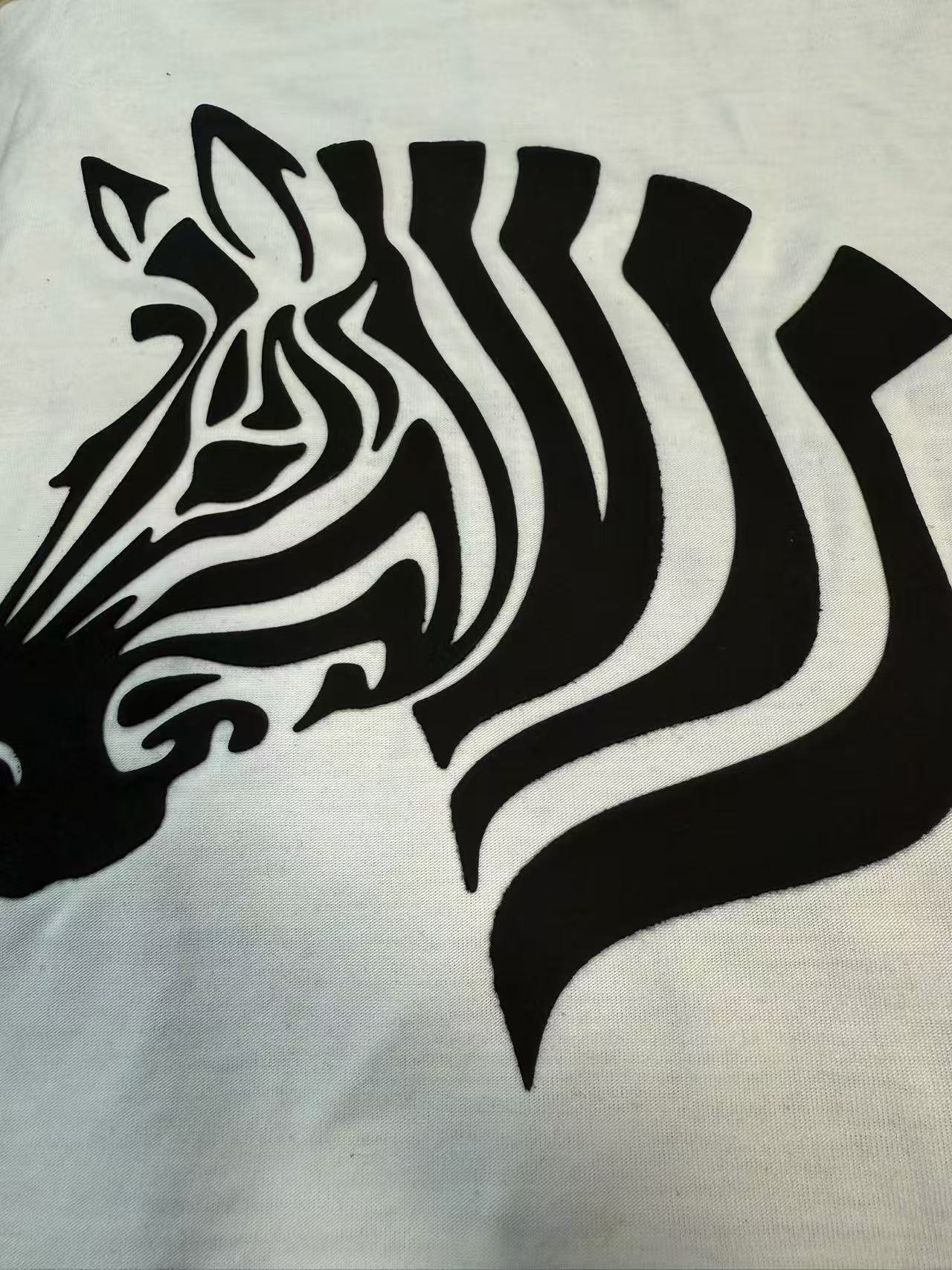
Silicone screen printing is widely used in sportswear, activewear, fashion garments, gloves, and textile accessories. It is valued for its flexibility, soft touch, and ability to create durable, three-dimensional printing effects.
However, some manufacturers encounter a common problem: silicone prints peel off, lift at the edges, or separate from the fabric after stretching or washing.
Why does this happen?
In most cases, poor adhesion is not caused by the silicone material alone. Fabric composition, surface treatments, curing conditions, and printing techniques can all affect the final bonding performance.
In this article, we explain five common causes of silicone printing adhesion failure and practical ways to improve printing durability.
1. Fabric Surface Treatments Affect Silicone Adhesion
Different fabrics have different surface characteristics.
For example, polyester, nylon, cotton, and elastic fabrics may contain softeners, water-repellent finishes, or other chemical treatments.
These treatments can interfere with silicone adhesion, especially when the fabric surface contains substances that prevent the silicone from making sufficient contact with the fibers.
Solutions:
- Check the fabric composition before printing.
- Identify whether the fabric has a water-repellent or softening treatment.
- Keep the fabric surface free from dust, oil, and other contaminants.
- Conduct a small-scale adhesion test before mass production.
For difficult-to-bond fabrics, a compatible silicone base layer or adhesion-promoting product may be necessary.
2. Incorrect Curing Temperature or Time
Curing is an important factor affecting silicone printing performance.
If the curing temperature is too low or the heating time is insufficient, the silicone may not fully crosslink, resulting in weak mechanical properties and poor adhesion.
For some Chengyin Silicone textile printing products, a typical curing reference is approximately 130°C for 10–15 minutes, depending on the specific formulation, printed thickness, and heating equipment.
These conditions are not universal for all silicone inks.
Solutions:
- Follow the technical data sheet (TDS) for the specific silicone product.
- Check the actual temperature reaching the printed silicone layer.
- Ensure sufficient curing time.
- Avoid excessive heating that may damage heat-sensitive fabrics.
If peeling occurs after washing, incomplete curing should be one of the factors investigated.
3. Incorrect Silicone Mixing Ratio
Two-component silicone printing materials require the correct mixing ratio between Component A and Component B.
An incorrect ratio or insufficient mixing may lead to incomplete curing and inconsistent printing performance.
Certain contaminants, including sulfur-containing substances, amines, and organotin compounds, may also inhibit the curing reaction of platinum-catalyzed silicone.
Solutions:
- Measure Components A and B according to the specified mixing ratio.
- Mix thoroughly and evenly before printing.
- Use compatible silicone pigments and additives.
- Avoid contamination from incompatible chemicals or printing materials.
Always verify the mixing requirements of the specific silicone grade before production.
4. Improper Printing Thickness and Layer Structure
Silicone screen printing often involves multiple layers to achieve a raised or three-dimensional effect.
However, printing thickness and the connection between layers must be properly controlled.
If the base layer has poor adhesion, the entire silicone pattern may separate from the fabric. If adhesion between layers is insufficient, the upper silicone layer may peel away while the base remains attached.
Solutions:
- Select a suitable silicone base for the fabric.
- Control the thickness of each printed layer.
- Follow the recommended intermediate heating process.
- Ensure the base and top silicone layers are compatible.
For thicker 3D silicone printing, the printing structure should be tested under actual production conditions.
5. Silicone Grade Does Not Match the Fabric
Not every silicone printing material is suitable for every textile application.
For example, highly elastic fabrics used in sportswear and underwear require silicone materials with sufficient flexibility and adhesion.
Using a silicone grade that is too rigid or unsuitable for the fabric surface may result in cracking, edge lifting, or peeling during repeated stretching.
Solutions:
- Select silicone based on fabric composition and elasticity.
- Consider the required printing thickness and final surface effect.
- Evaluate adhesion and elasticity together.
- Test the silicone on the actual production fabric.
Choosing the correct silicone formulation is often more effective than adjusting the printing process alone.
How to Test Silicone Printing Adhesion
Before mass production, manufacturers should evaluate the durability of silicone prints.
Common evaluation methods include:
| Test | Purpose |
|---|---|
| Stretching test | Check adhesion and flexibility during fabric stretching |
| Washing test | Evaluate printing durability after repeated washing |
| Peel test | Check resistance to separation from the fabric |
| Abrasion test | Evaluate resistance to surface wear and repeated friction |
Testing conditions and acceptance criteria should be selected according to the final garment application and the customer’s requirements.
Improve Silicone Printing Adhesion with Chengyin Silicone
At Dongguan Chengyin Silicone Technology Co., Ltd., we manufacture liquid silicone materials for textile screen printing and other industrial applications.
Our textile printing silicone range includes materials for:
- Right-angle and rounded-edge 3D silicone printing
- Matte and glossy printing effects
- Silicone embossing and raised patterns
- Silicone base layers and specialized textile applications
When evaluating silicone adhesion, we recommend confirming the fabric composition, surface treatment, printing method, and curing conditions before selecting a silicone grade.
Our technical team can assist customers with material selection and printing process recommendations.
Experiencing silicone printing peeling or adhesion problems?
Contact Chengyin Silicone and share your fabric composition, current printing conditions, and adhesion requirements. We can help you evaluate a suitable liquid silicone printing solution.