


Blog
Why Silicone Coating Is Becoming a New Direction for Sustainable Synthetic Leather

Why Silicone Coating Is Becoming a New Direction for Sustainable Synthetic Leather
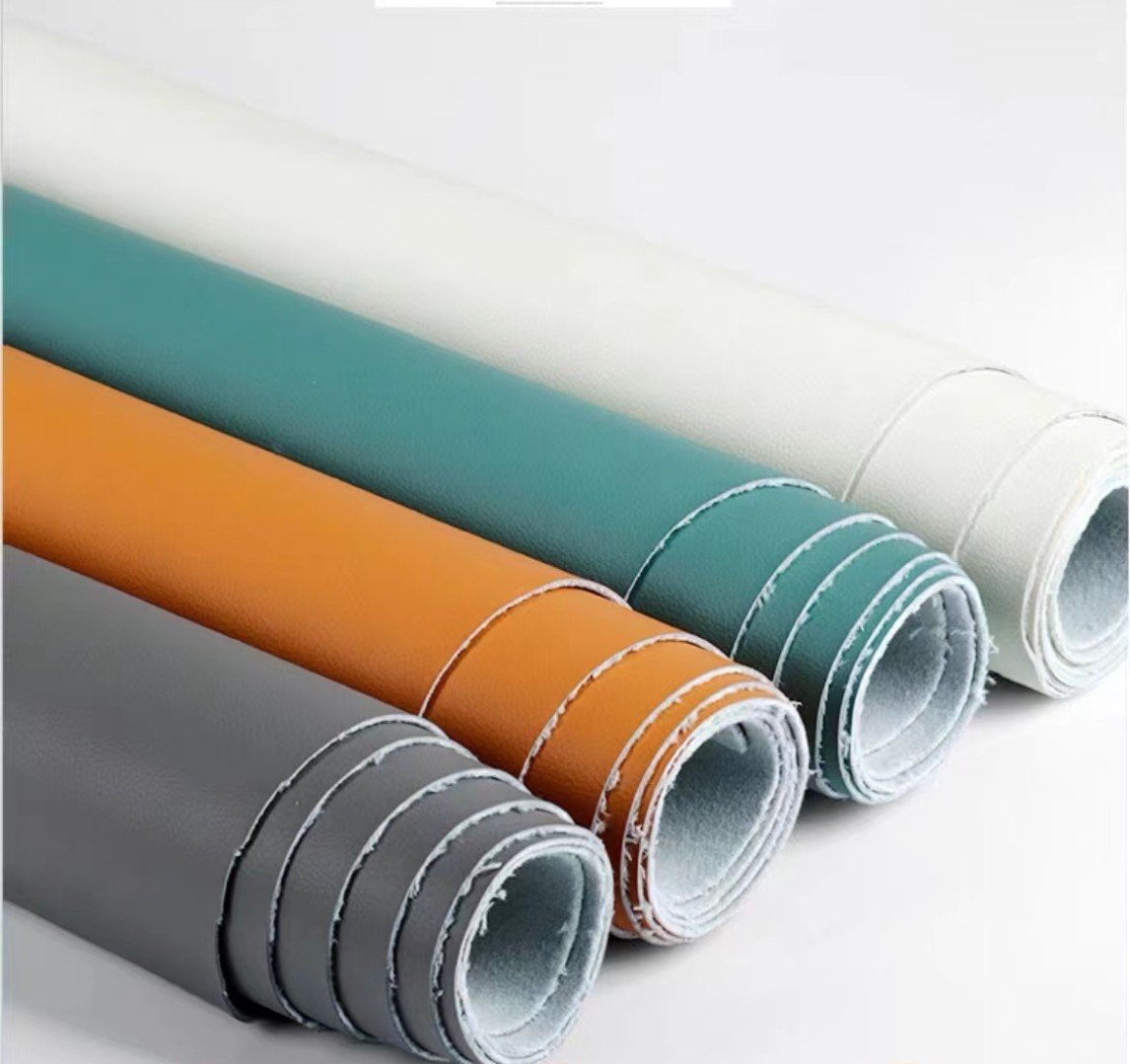
Synthetic leather is widely used in automotive interiors, furniture, handbags, footwear, sports goods and electronic accessories. For many years, PU and PVC leather have been the main material choices in the synthetic leather industry. However, as brands and manufacturers pay more attention to environmental compliance, durability, surface comfort and long-term performance, the synthetic leather industry is moving toward safer and higher-performance coating solutions.
Silicone coating is becoming one of the new material directions for premium synthetic leather. It offers a soft touch, excellent weather resistance, good surface stability and strong durability. For manufacturers looking for PVC-free, low-odor and high-performance synthetic leather solutions, liquid silicone coating can provide a practical and competitive option.
1. Why Synthetic Leather Materials Are Changing
The synthetic leather market is no longer focused only on cost and appearance. More customers now care about material safety, chemical restrictions, product lifetime and sustainability.
In many applications, traditional synthetic leather may face several challenges:
- Surface cracking after long-term use
- Hydrolysis problems in humid environments
- Poor aging resistance under heat or UV exposure
- Surface stickiness after storage or use
- Strong odor or VOC concerns
- Increasing pressure from restricted substances such as PFAS, DMFa and other chemicals
For automotive interiors, furniture upholstery and premium consumer products, these problems can directly affect product quality and brand reputation.
This is why more manufacturers are looking for synthetic leather coating systems that can provide both durability and a better user experience.
2. What Makes Silicone Coating Different?
Silicone is different from traditional PU or PVC coating materials. It has a flexible molecular structure and excellent resistance to heat, cold, UV exposure and humidity. When used as a coating system for synthetic leather, silicone can help improve both surface performance and long-term stability.
A well-designed silicone leather coating can provide:
- Soft and smooth hand feel
- Good weather resistance
- Hydrolysis resistance
- Abrasion resistance
- Low surface tackiness
- Stable matte or semi-matte finish
- Better aging resistance
- Comfortable skin-contact feel
- Good flexibility for bending and folding applications
For high-end synthetic leather, silicone coating is not only about surface decoration. It is a functional coating system that helps improve the overall performance of the final material.
3. Silicone Leather Is Not Just One Material
Many customers think silicone leather is made by applying one silicone layer onto a substrate. In fact, a stable silicone leather system usually requires several functional layers.
A typical silicone leather coating system may include:
- Base coat
- Middle coat
- Top coat
- Surface treatment agent
Each layer has a different function. The final performance depends on the correct combination of substrate adhesion, coating thickness, curing conditions and surface treatment.
4. Base Coat: Building Adhesion with the Substrate
The base coat is the first and most important layer in the silicone leather coating system. Its main function is to build strong adhesion between the substrate and the silicone coating.
Different substrates may require different base coat designs. Microfiber leather, PU base, woven fabric, knitted fabric and nonwoven materials all have different surface properties. If the base coat is not suitable, the silicone layer may peel off, crack or show poor bonding after bending, rubbing or aging tests.
A good silicone base coat should provide:
- Strong adhesion to the selected substrate
- Good compatibility with the following silicone layers
- Stable coating performance
- Flexibility after curing
- Resistance to peeling during repeated bending
For manufacturers, substrate testing is necessary before mass production. The same silicone material may perform differently on different base materials.
5. Middle Coat: Building Thickness, Elasticity and Durability
The middle coat is usually the main functional layer in silicone leather. It helps build the required coating thickness, elasticity and mechanical strength.
Depending on the final application, the middle coat may need to provide:
- Softness
- Elasticity
- Tear resistance
- Abrasion resistance
- Flexibility
- Thickness build-up
- Stable performance after curing
For automotive and furniture leather, the middle coat must balance comfort and durability. For bags, footwear and sports goods, abrasion resistance and surface strength may be more important.
The viscosity, coating thickness and curing conditions of the middle coat should be adjusted according to the production process and final performance requirements.
6. Top Coat: Controlling Surface Touch and Protection
The top coat is the layer that customers can see and touch directly. It plays a key role in the final appearance, hand feel and surface protection of silicone leather.
A suitable silicone top coat can help achieve:
- Matte surface effect
- Smooth touch
- Dry hand feel
- Better stain resistance
- Improved abrasion resistance
- Stable color appearance
- Reduced surface stickiness
- Better weather resistance
For premium synthetic leather, the top coat must remain stable during long-term use. If the top coat is not properly selected, the surface may become sticky, dusty, uneven or easy to scratch.
7. Surface Treatment Agent: Creating the Final Premium Feel
Surface treatment is often the final step in silicone leather production. It helps adjust the touch, gloss level and surface resistance of the final leather.
Depending on the product design, surface treatment agents can help create:
- Dry touch
- Smooth touch
- Matte finish
- Anti-dust surface
- Anti-stickiness effect
- Better surface stability
- More premium hand feel
This step is especially important for automotive interiors, sofa leather, handbags and electronic accessories, where the surface touch strongly affects the customer’s perception of quality.
8. Key Applications of Silicone Synthetic Leather
Silicone coated synthetic leather can be used in many high-performance applications, including:
Automotive Interiors
Automotive interior materials require excellent durability, low odor, weather resistance and stable surface performance. Silicone leather can be used for seats, dashboards, armrests, door panels and other interior parts.
Furniture and Sofa Leather
Furniture leather needs a soft touch, good abrasion resistance and long-term surface stability. Silicone coating can help improve comfort while reducing problems such as cracking, peeling and surface stickiness.
Bags and Luggage
For handbags, luggage and accessories, the final leather must have good appearance, abrasion resistance and a premium touch. Silicone coating can help create a smooth, durable and high-end surface.
Footwear Materials
Shoe materials need flexibility, abrasion resistance and stable performance during repeated bending. Silicone leather coating can be adjusted according to different footwear applications.
Electronic Accessories
For phone cases, wearable devices and electronic accessories, silicone leather can provide a soft touch, clean appearance and stable surface feel.
9. What Manufacturers Should Test Before Mass Production
Before using silicone coating for synthetic leather production, manufacturers should test the material on the actual substrate and production line.
Important testing items include:
- Adhesion to the substrate
- Peeling strength
- Abrasion resistance
- Bending resistance
- Hydrolysis resistance
- Heat aging resistance
- UV resistance
- Stain resistance
- Surface tackiness
- Odor performance
- Curing stability
- Final hand feel
Silicone leather development is not only about choosing one product. It requires testing the whole coating system, including base coat, middle coat, top coat and surface treatment.
10. How to Choose a Suitable Silicone Leather Coating System
When choosing liquid silicone materials for synthetic leather, manufacturers should first confirm the following details:
Substrate Type
The substrate may be microfiber, PU leather, fabric, nonwoven or another synthetic material. Adhesion must be tested on the real substrate.
Coating Method
Different factories may use knife coating, roller coating, screen coating or other coating methods. The silicone viscosity and flow behavior should match the production process.
Target Surface Effect
The final leather may require matte finish, dry touch, soft touch, smooth touch or special texture. This should be confirmed before material selection.
Performance Requirements
Automotive leather, furniture leather, handbag leather and footwear materials all have different testing standards. The coating system should be adjusted according to the final application.
Curing Conditions
Liquid silicone materials usually require controlled curing temperature and time. Proper curing is essential for adhesion, surface strength and long-term performance.
11. How Chengyin Supports Silicone Leather Development
Dongguan Chengyin Silicone Tech Co., Ltd. provides liquid silicone materials for synthetic leather coating applications. Our silicone leather coating system can be adjusted according to different substrates, coating methods and final performance requirements.
We can support customers with:
- Silicone base coat
- Silicone middle coat
- Silicone top coat
- Silicone surface treatment agent
- Substrate compatibility suggestions
- Sample testing support
- Coating process adjustment
- Technical guidance for trial production
For synthetic leather manufacturers, choosing the right silicone material is not only about buying one raw material. It is about building a stable coating system from substrate adhesion to final surface performance.
Conclusion
As synthetic leather manufacturers face higher requirements for environmental compliance, durability, low odor, soft touch and long-term stability, silicone coating is becoming a new direction for premium synthetic leather development.
Compared with traditional coating systems, liquid silicone coating can provide excellent weather resistance, hydrolysis resistance, flexibility and surface comfort. With the right combination of base coat, middle coat, top coat and surface treatment, silicone leather can be used in automotive interiors, furniture, bags, footwear, electronic accessories and other high-performance applications.
If you are developing silicone coated synthetic leather or looking for a liquid silicone material for your leather coating process, our technical team can help you evaluate your substrate, coating method, curing conditions and sample testing requirements.
Looking for Liquid Silicone Materials for Synthetic Leather?
Tell us your substrate type, coating method, target surface effect and testing requirements. Our technical team can help recommend a suitable silicone leather coating solution for your application.
Contact us to discuss your silicone leather coating project.