Blog
Silicone Solutions for Intimate Apparel Bonding

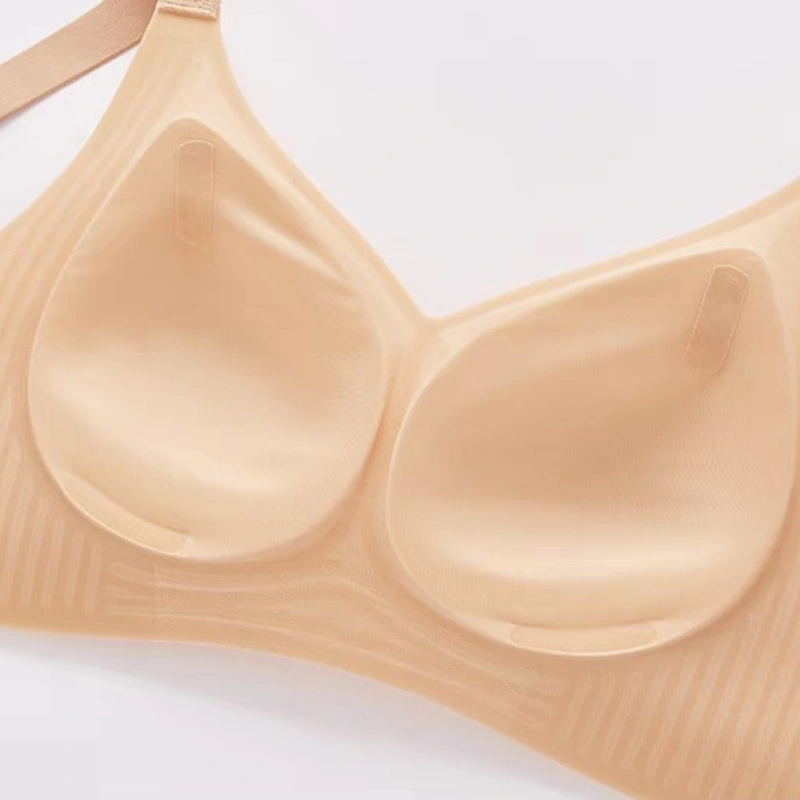
Skin-friendly silicone systems for strong bonding, soft touch, clean appearance, and reliable wash durability.
Intimate apparel bonding requires more than simple adhesion. In products such as bras, nipple covers, shapewear, and other close-to-skin garments, manufacturers need a bonding system that combines comfort, flexibility, durability, and clean appearance. A suitable silicone system should provide stable bonding performance without compromising softness, rebound, or wearing comfort.
At Chengyin, we provide silicone materials for different intimate apparel bonding structures, including underwear bonding, spandex bonding, underwire replacement strips, nipple cover adhesive systems, flocking bases, and foaming bonding structures. Our solutions are designed to help customers improve bonding strength, wearing comfort, wash durability, and production consistency.
Typical Challenges in Intimate Apparel Bonding
- Weak bonding on difficult fabrics or stretch materials
- Glue penetration or bleed-through on thin fabrics
- Poor rebound after repeated wearing or stretching
- Deformation after bonding or washing
- Hard hand feel or discomfort in skin-contact applications
- Residue, unstable adhesion, or inconsistent clean appearance
- Different fabric thicknesses requiring different viscosity selection
- Process instability in coating, brushing, or dispensing operations
Our Intimate Apparel Bonding Silicone System
We provide a structured silicone solution system for intimate apparel bonding applications.
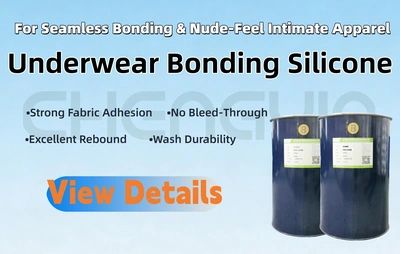
1. Underwear Bonding Silicone
Underwear bonding silicone is used for direct bonding of fabrics in bra structures and close-fitting apparel. It is designed to provide strong bonding strength, good rebound, clean appearance, and wash durability.
- Strong fabric bonding
- Good rebound without deformation
- Reduced glue penetration
- Suitable for repeated washing
2. Spandex Bonding Silicone
Spandex bonding silicone is developed for stretch fabrics and close-fitting garments such as sportswear and shapewear. It combines light support, flexibility, and stable bonding performance.
- Strong bonding on stretch fabrics
- Soft and skin-friendly touch
- Good rebound performance
- Suitable for dynamic movement applications
3. Underwire Replacement Silicone Strip
Silicone strip systems can be used as an alternative to traditional underwire support in bra underband or side-wing structures. This solution is designed to provide support while maintaining flexibility and wearing comfort.
- Replaces traditional underwire structure
- Good rebound and support
- Strong bonding strength
- Maintains dimensional stability after curing
4. Nipple Cover Adhesive
Nipple cover adhesive systems are designed for intimate wearable products requiring soft touch, skin-friendly adhesion, and stable tack performance.
- Soft and comfortable touch
- Strong adhesion with elasticity
- Suitable for sensitive skin applications
- Good tack retention after curing
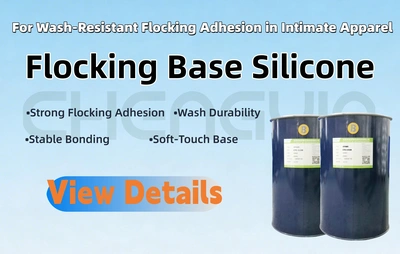
5. Flocking Base Silicone
Flocking base silicone is used in bonding structures where a flocked layer is needed on the silicone surface. It helps improve surface effect and structural compatibility for special intimate apparel applications.
- Good flocking adhesion
- Wash durability
- Suitable as a flocking base layer
6. Foaming Bonding Silicone
Foaming bonding silicone is suitable for padded structures such as chest pads and soft support components. It is designed to provide soft touch, dimensional feel, and good adhesion.
- Fine and soft touch
- Good dimensional effect
- Suitable for skin-contact structures
- Wash-resistant bonding performance
Recommended Products
For Bra Fabric Bonding
- Underwear Bonding Silicone
- Fabric bonding silicone systems for bra edge, shoulder strap, and back strap structures
For Stretch and Shapewear Applications
- Spandex Bonding Silicone
- Silicone bonding systems for sportswear and shaping garments
For Support Structures
- Underwire Replacement Silicone Strip
- Silicone strip systems for underband and side-wing reinforcement
For Skin-Contact Adhesive Applications
- Nipple Cover Adhesive
- Soft silicone gel adhesive systems for intimate wear
For Special Surface / Functional Structures
- Flocking Base Silicone
- Foaming Bonding Silicone
If you are not sure which grade fits your application, we can recommend suitable products based on your fabric type, thickness, bonding method, target hand feel, and end-use requirements.
Typical Intimate Apparel Bonding Applications
- Bra cup edge bonding
- Shoulder strap bonding
- Back strap bonding
- Shapewear bonding structures
- Sports bra and stretch garment bonding
- Nipple cover adhesive applications
- Underband and side-wing support structures
- Flocked or foamed intimate apparel components
Process Notes
Select viscosity according to fabric thickness
Thin fabrics often require higher-viscosity materials to reduce penetration, while thicker fabrics may work better with lower-viscosity grades for efficient bonding and leveling.
Match the silicone system with the fabric structure
Different fabrics such as spandex, knitted fabrics, or laminated materials require different bonding behavior. Proper grade selection helps improve adhesion and wearing stability.
Balance bonding strength with comfort
In intimate apparel, stronger bonding alone is not enough. The bonded area must also remain soft, flexible, and comfortable during wearing.
Consider wash durability from the beginning
Products used in underwear and close-fitting apparel are often exposed to repeated washing. Material selection should therefore consider long-term stability, rebound, and dimensional retention.
Optimize the process for the structure
Screen coating, brush coating, knife coating, and dispensing all have different process needs. A suitable silicone should match both the garment structure and the production method.
Why Chengyin
- Skin-friendly silicone bonding systems for close-to-skin applications
- Support for rebound, comfort, and clean appearance optimization
- Grade selection according to fabric thickness and structure
- OEM customization and sample testing
- Technical guidance for bonding process improvement
FAQ
Q1: What is the difference between underwear bonding silicone and spandex bonding silicone?
A: Underwear bonding silicone is mainly used for bra fabric bonding and general intimate apparel structures, while spandex bonding silicone is more focused on stretch fabrics and dynamic close-fitting applications such as sportswear and shapewear.
Q2: How do I reduce glue penetration on thin fabrics?
A: To minimize penetration on thin or lightweight fabrics, you can:
Use a higher-viscosity silicone (typically 80,000–120,000 cps or higher, depending on application method)
Apply a barrier primer coat before the main adhesive layer
Adjust screen mesh count (finer mesh for less deposit) or use a thicker emulsion
Reduce coating pressure or increase coating speed
Preheat the fabric to slightly flash off solvents before full curing
The right combination depends on your fabric type, coating method, and desired bond strength. We can help test and optimize the parameters for your specific setup.
Q3: Can silicone bonding systems be used for sensitive skin applications?
A:Yes. Our silicone systems are certified under Oeko-Tex® ECO PASSPORT , which verifies that our chemical products meet strict human-ecological safety requirements. They have also passed Nike RSL testing , confirming compliance with global brand restricted substance lists. These certifications support their suitability for intimate wear and other skin-contact applications. That said, final suitability should always be evaluated based on the full material assembly and actual use conditions.
Q4: Can silicone replace traditional underwire support?
A:In many wireless bra designs, yes. Silicone support strips bonded into the underband or side-wing areas can provide gentle, flexible shaping and lift. They offer a metal-free alternative that’s comfortable for all-day wear and passes through airport security easily. However, for maximum support in larger cup sizes or high-impact activities, traditional underwire may still be preferred.
Q5: Do you provide samples for intimate apparel bonding materials?
A: Yes. We offer free samples, and customers cover the shipping cost.
Q: What is your MOQ?
A: Our MOQ is 20 kg.
Q: What is your lead time?
A: Our standard lead time is 7–15 business days after order confirmation.
Get a Recommended Bonding System
Tell us your fabric type, garment structure, bonding method, target feel, and current production issue. We can recommend suitable intimate apparel bonding silicone grades and matching process suggestions for your application.
Contact us for samples and technical support.
Recommended Products