


Blog
Direct Coating vs. Transfer Coating for Medical Silicone Gel

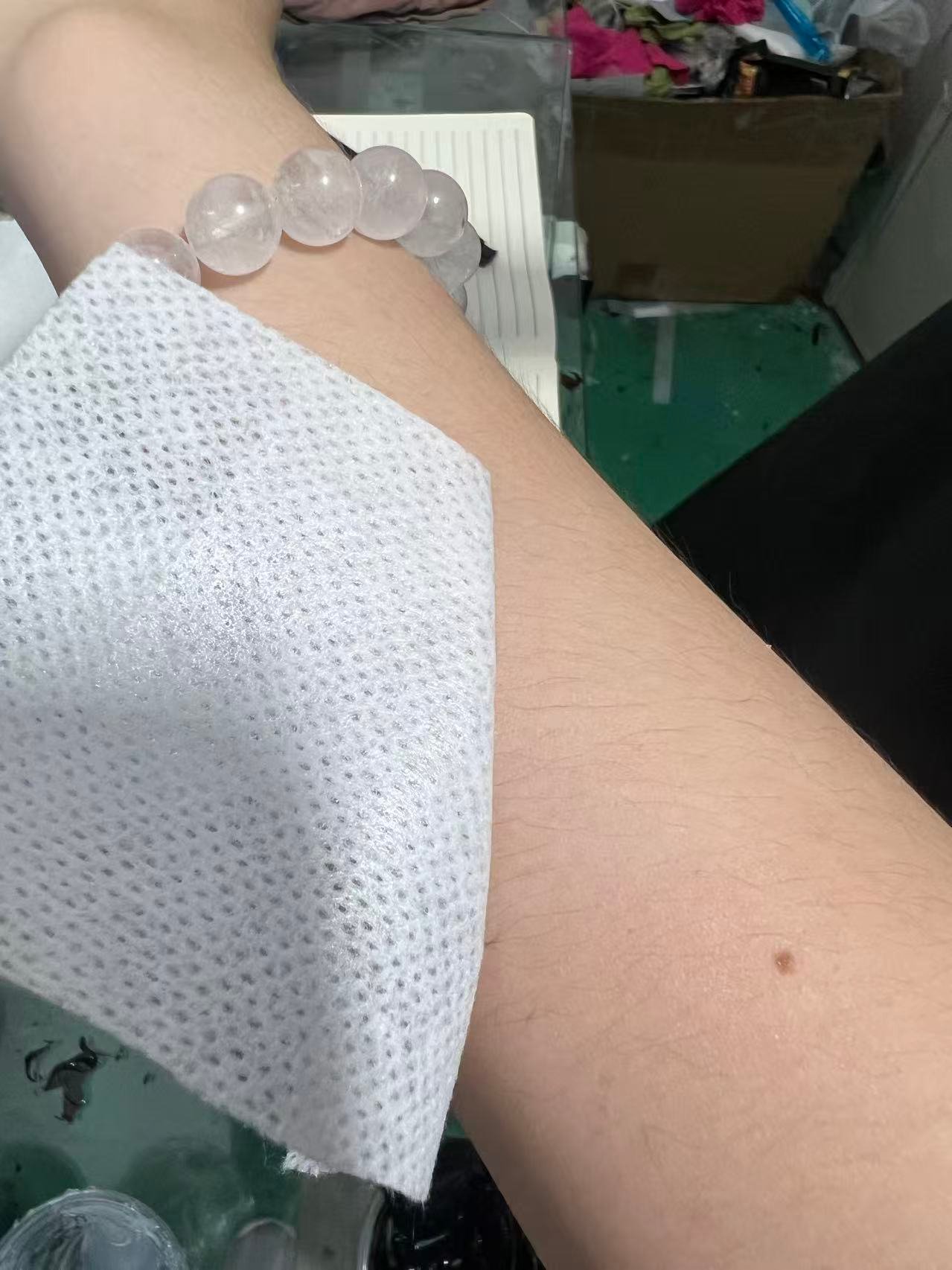
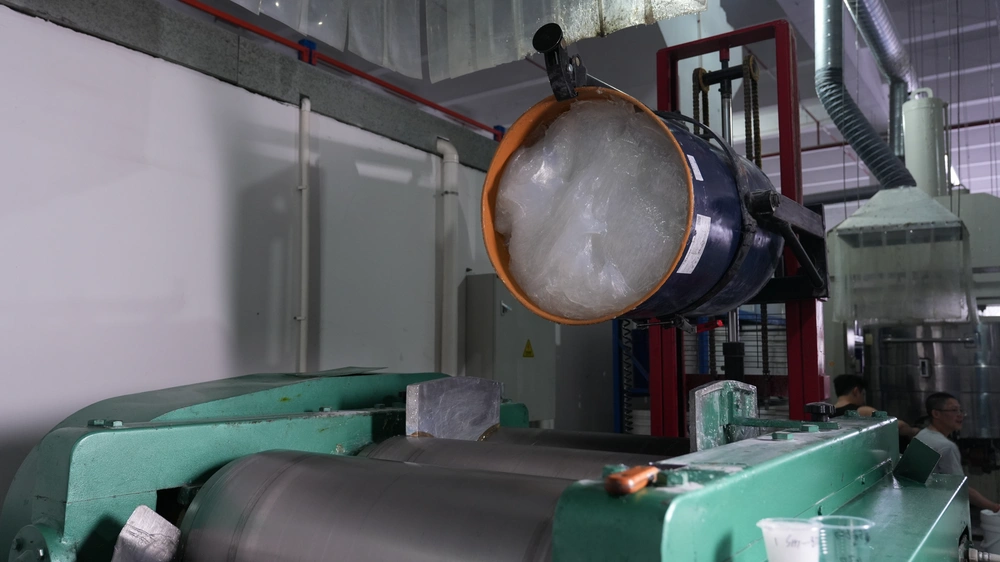
Medical silicone gel is widely used in wound dressings, scar care products, medical tapes, and other skin-contact applications.
For manufacturers, choosing the right coating method is just as important as selecting the silicone material itself.
Two common processing methods are direct coating and transfer coating. What are their differences, and which one is more suitable for your production line?
1. What Is Direct Coating?
Direct coating means applying liquid silicone gel directly onto the final substrate, such as PU film, TPU film, nonwoven fabric, or foam.
After coating, the material passes through a curing oven to form a silicone gel layer.
Advantages:
- Relatively simple production process
- Fewer processing and transfer steps
- Suitable for continuous coating production lines
Challenges:
- Silicone may penetrate porous substrates
- Poor adhesion may occur between silicone and certain films
- The substrate must withstand the required curing conditions
Direct coating is often considered when the substrate has suitable surface properties, sufficient dimensional stability, and good compatibility with the silicone formulation.
2. What Is Transfer Coating?
Transfer coating involves applying liquid silicone gel onto a compatible release liner or temporary carrier before transferring it to the final substrate.
Depending on the silicone formulation and production process, the silicone may be partially or fully cured before lamination.
Advantages:
- Better control over coating uniformity on certain substrates
- Helps reduce direct penetration into porous materials
- Allows the coating and lamination processes to be managed separately
Challenges:
- Requires a compatible release liner
- Additional lamination steps may be necessary
- Adhesion between the transferred silicone and the final substrate must be carefully evaluated
Transfer coating can be useful when direct coating causes excessive penetration, uneven coating, or difficulties with the final substrate.
3. Direct Coating vs. Transfer Coating: Key Differences
| Factor | Direct Coating | Transfer Coating |
|---|---|---|
| Coating surface | Final substrate | Temporary carrier |
| Production process | Generally simpler | Additional transfer steps |
| Porous substrates | Risk of silicone penetration | Can reduce penetration |
| Coating uniformity | Depends on substrate surface | Can be easier to control |
| Substrate adhesion | Must be evaluated | Must be evaluated after transfer |
| Equipment | Coating and curing line | Coating, curing, and lamination equipment |
Neither method is universally better. The appropriate choice depends on the substrate, equipment, silicone formulation, and final product requirements.
4. Common Problems During Silicone Gel Coating
Manufacturers may encounter several challenges during production.
Silicone penetration into nonwoven fabric
Excessive penetration may affect coating uniformity and silicone consumption. Adjusting the silicone viscosity or switching to a suitable transfer coating process may help.
Poor adhesion to PU or TPU film
Some films have limited adhesion to silicone gel. Surface treatment, primer selection, or formulation adjustment may be necessary.
Incomplete curing
Curing temperature and residence time must be matched to the silicone formulation, coating thickness, and substrate temperature resistance.
Silicone delamination after transfer
The bond between the silicone layer and the final substrate must be strong enough for the intended application. This may require additional process optimization.
5. How to Choose the Right Medical Silicone Gel
Before selecting a silicone material, manufacturers should consider:
- Substrate type: PU, TPU, nonwoven, or foam
- Coating method: direct coating or transfer coating
- Target coating thickness
- Available curing temperature and oven residence time
- Required skin adhesion and silicone-to-substrate bonding
- Existing coating and lamination equipment
Different production lines may require different silicone viscosities, adhesion characteristics, and curing conditions.
6. Medical Silicone Gel Solutions from Chengyin Silicone
At Chengyin Silicone, we manufacture two-component liquid silicone materials for medical dressing and skin-contact applications.
We can discuss silicone formulation options according to your substrate, coating method, and production conditions.
Whether you are developing a new medical dressing or optimizing an existing coating line, our technical team can help evaluate suitable silicone materials for your application.
Looking for medical silicone gel for your coating production line?
Contact Chengyin Silicone and share your substrate type, coating method, and curing conditions.
Website: https://cysiltech.com
Note: Final processing parameters, adhesion performance, biocompatibility, and suitability for medical use must be verified for the specific material, substrate, and finished device.