Blog
How to Choose Silicone Adhesive for Adhesive Bras and Nipple Covers

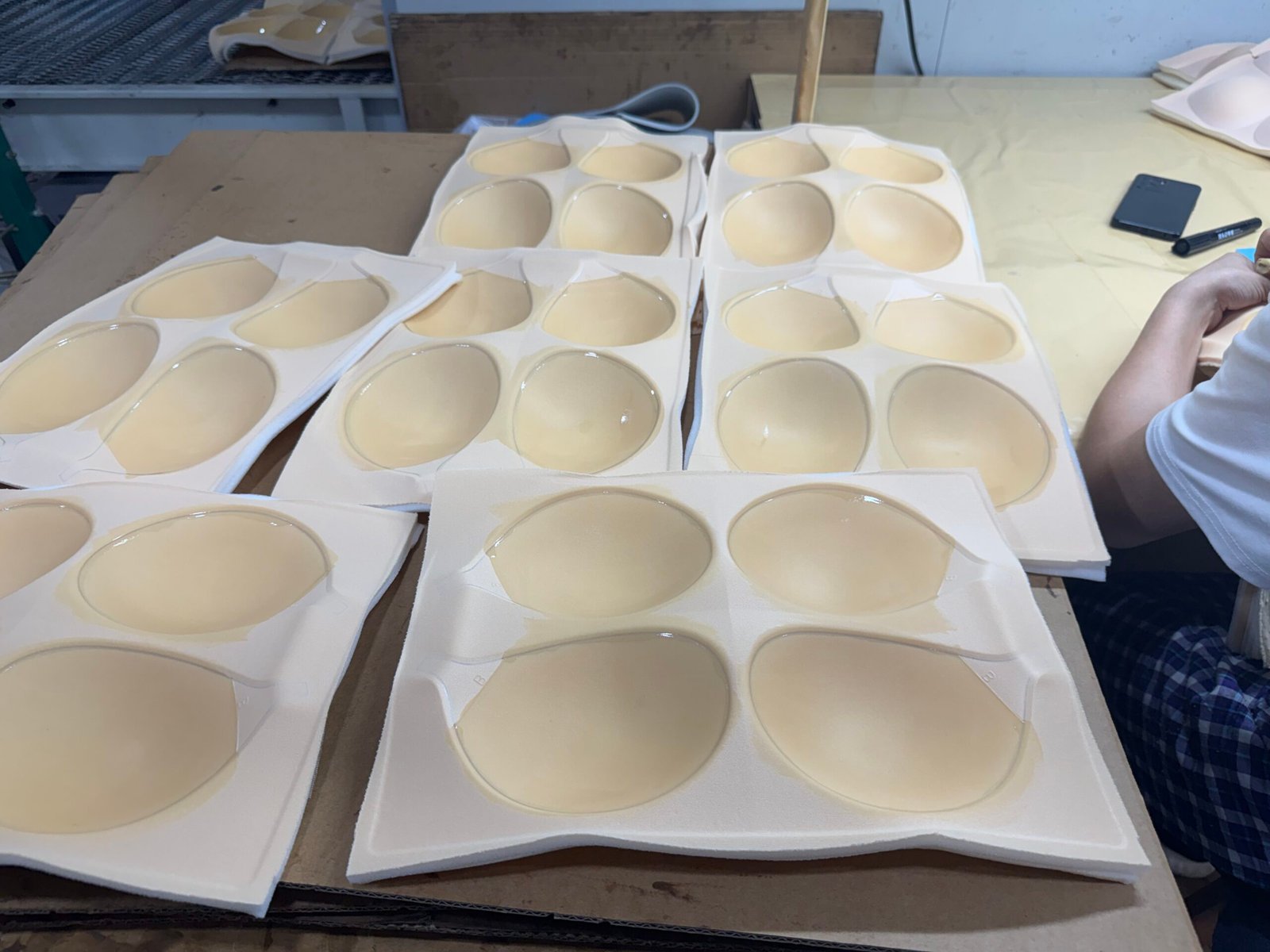
Adhesive bras, nipple covers and other skin-contact intimate apparel products require more than a soft appearance. The adhesive layer directly affects wearing comfort, skin feel, bonding performance and product durability.
For manufacturers, choosing the right silicone adhesive for adhesive bras and nipple covers is one of the most important steps in product development. A suitable liquid silicone adhesive should provide stable tack, soft touch, good brushing performance and reliable skin-contact comfort.
1. Why Silicone Adhesive Is Used in Adhesive Bras and Nipple Covers
Silicone gel adhesive is widely used in skin-contact products because it can provide a soft, flexible and comfortable adhesive surface. Compared with many traditional adhesive materials, silicone adhesive is more suitable for products that need direct contact with the skin.
In adhesive bra and nipple cover applications, silicone adhesive is mainly used for skin-contact adhesion, reusable tack surface, soft wearing experience, and flexible bonding with fabric, TPU film or other substrates.
For intimate apparel products, the adhesive layer should not feel too hard, too sticky or uncomfortable. It should hold the product in place while maintaining a soft and gentle touch.
2. Key Requirements for Skin-Contact Silicone Adhesive
When choosing liquid silicone adhesive for adhesive bras or nipple covers, manufacturers usually need to evaluate several important properties.
Stable Tack
The adhesive should provide enough tack to keep the product attached to the skin. However, excessive tack may cause discomfort during removal. The ideal adhesive should balance holding strength and skin comfort.
Soft Touch
Adhesive bras and nipple covers are worn directly on sensitive skin areas. Therefore, the silicone adhesive should have a soft and elastic feel after curing.
Good Manual Brushing Performance
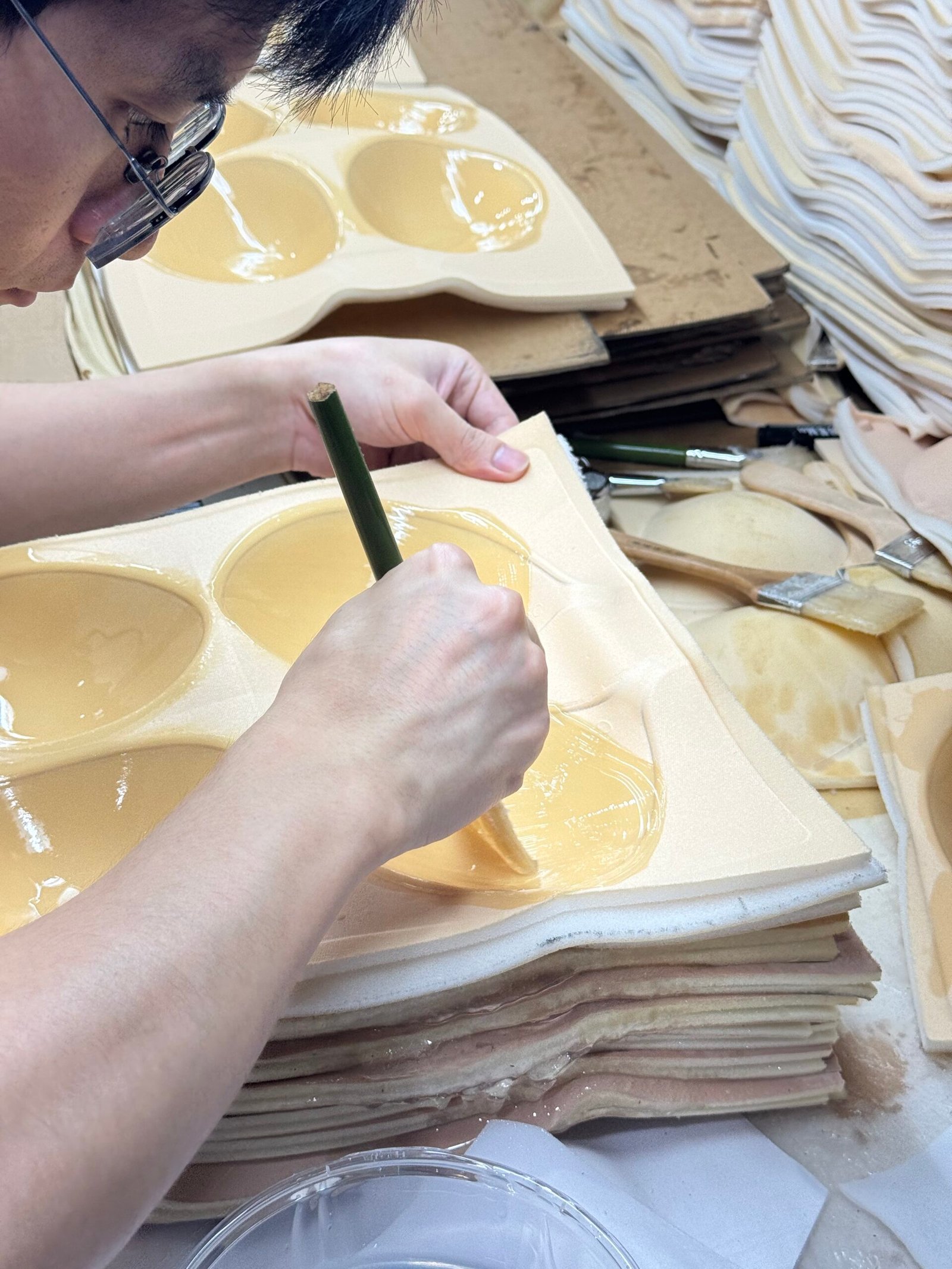
In some adhesive bra and nipple cover production processes, silicone adhesive is applied by manual brushing. A good material should be easy to control during brushing and should not create serious stringing, bubbles or uneven adhesive marks.
Wash Resistance
Many adhesive bra products are designed for repeated use. After washing and drying, the adhesive surface should still maintain stable tack and softness.
Low Odor
For underwear and skin-contact products, odor control is also important. A low-odor silicone adhesive can improve the final product experience and reduce customer complaints.
3. Why Manual Adhesive Brushing Control Matters
For adhesive bras and nipple covers, the thickness of the silicone adhesive layer has a direct impact on performance.
If the adhesive layer is too thick, the surface may become overly sticky, glossy or uneven. It may also affect the appearance of the finished product.
If the adhesive layer is too thin, the tack may not be strong enough, and the product may lose adhesion during use.
In manual adhesive brushing, the amount of silicone adhesive, brushing direction and edge transition must be carefully controlled. In some nipple cover products, the center area may require slightly stronger adhesion, while the edge area should be thinner and more natural. This gradual transition helps reduce edge lifting and improves wearing comfort.
For this reason, both the silicone material and the brushing process are important. A stable liquid silicone adhesive can help manufacturers achieve better thickness control and more consistent production results.
4. Common Problems in Adhesive Bra Production
During adhesive bra and nipple cover manufacturing, some common problems may appear if the silicone adhesive is not suitable for the process.
Uneven Adhesive Layer
Uneven adhesive application can cause poor appearance, unstable tack and inconsistent wearing performance. This is often related to viscosity, brushing method and material leveling ability.
Air Bubbles
Bubbles in the adhesive layer can create visible defects and affect the skin-contact surface. For high-quality adhesive bras, a smooth and clean adhesive surface is very important.
Edge Lifting
If the adhesive is too thick at the edge or does not transition smoothly, the edge may lift during use. This can reduce product comfort and shorten the wearing time.
Poor Tack After Washing
Some adhesive materials lose tack quickly after washing. For reusable adhesive bras and nipple covers, wash resistance is one of the key performance requirements.
Stringing During Brushing
If the silicone adhesive creates stringing during manual brushing, dispensing or application, it may affect production efficiency and final appearance.
Choosing the right liquid silicone adhesive can help reduce these problems and improve production stability.
5. How to Choose the Right Silicone Adhesive
Before selecting a silicone adhesive for adhesive bra or nipple cover production, manufacturers should consider the final product structure and production method.
Important questions include:
- What substrate will the adhesive be applied to?
- Is the product made with fabric, TPU film, silicone sheet or another material?
- Is the adhesive applied by manual brushing, coating, dispensing or transfer process?
- Does the product require reusable tack?
- What level of softness is required?
- Does the product need to pass skin-contact or safety-related testing?
- What curing temperature and curing time are suitable for the factory process?
Different products may require different silicone adhesive formulations. For example, a nipple cover may require a soft and highly skin-friendly tack surface, while an adhesive bra with fabric structure may also need good bonding compatibility with the base material.
Therefore, sample testing is highly recommended before bulk production.
6. Liquid Silicone Adhesive vs. Silicone Adhesive Sheet
Some manufacturers use liquid silicone adhesive directly in production, while others prefer silicone adhesive sheets or transfer sheets.
Liquid Silicone Adhesive
Liquid silicone adhesive is suitable for manufacturers that already have brushing, coating, dispensing or screen printing processes. It allows more flexibility in adhesive area, thickness and product design.
Silicone Adhesive Sheet
Silicone adhesive sheets or transfer sheets can be useful for specific production methods where a pre-formed adhesive layer is required. They can help simplify some production steps and improve adhesive layer consistency.
The best choice depends on the product design, equipment, production volume and quality requirements.
7. Our Silicone Adhesive Support for Adhesive Bra Manufacturers
Chengyin Silicone provides liquid silicone materials for underwear, adhesive bra, nipple cover and other skin-contact applications. Our silicone adhesive materials are designed to support manufacturers in product development, application tests and production optimization.
We can support customers with liquid silicone adhesive samples, silicone adhesive materials for skin-contact applications, application suggestions, product testing support and material selection based on customer product structure.
If you are developing adhesive bras, nipple covers, reusable breast covers or other skin-contact silicone products, we can provide suitable silicone adhesive materials for your testing.
Conclusion
Choosing the right silicone adhesive is essential for adhesive bras and nipple covers. The material must provide stable tack, soft skin feel, smooth application performance and reliable wash resistance.
For manufacturers, the best solution is not only about the adhesive itself, but also about matching the silicone material with the correct substrate, application method and curing process.
If you are looking for silicone adhesive for adhesive bras, nipple covers or skin-contact underwear products, Chengyin Silicone can provide liquid silicone samples and technical support for your production tests.