


Blog
Silicone Heat Transfer vs. Direct Screen Printing: Which Is Better for Your Application?

Silicone printing is widely used in sportswear, garments, footwear, and textile accessories to create flexible logos, raised patterns, and decorative effects.
Two common production methods are direct silicone screen printing and silicone heat transfer printing.
Although both use silicone materials, their production processes and application requirements are different.
Understanding these differences can help manufacturers choose a more suitable printing solution.
1. What Is Direct Silicone Screen Printing?
Direct silicone screen printing involves applying silicone ink directly onto the fabric through a screen mesh.
Depending on the design, multiple printing layers may be required to achieve the desired color, thickness, or 3D effect.
The printed silicone is then cured under suitable conditions.
Typical applications include:
- Sportswear logos and decorations
- Raised 3D silicone printing
- Anti-slip patterns on garments
- Textile labels and decorative designs
Direct printing is suitable for factories with established textile screen printing equipment.
However, the final result depends on fabric characteristics, silicone formulation, printing conditions, and curing performance.
2. What Is Silicone Heat Transfer Printing?
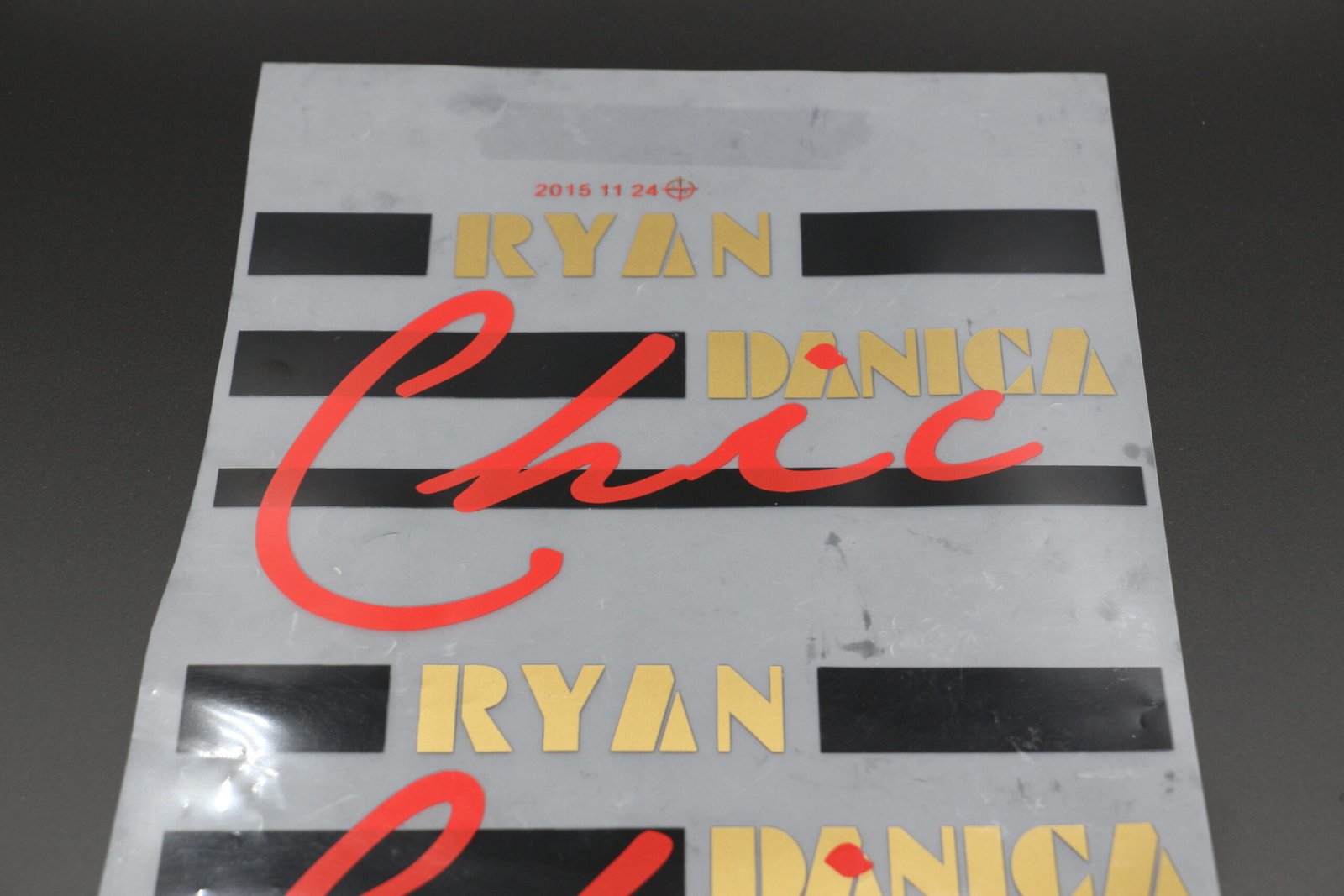
Silicone heat transfer printing involves producing a silicone design on a suitable release film, commonly PET film, before transferring it onto fabric using heat and pressure.
A typical silicone transfer system includes silicone printing layers and a compatible adhesive layer.
The general process involves:
- Preparing the design and transfer film.
- Printing the required silicone layers.
- Applying a compatible bonding or hot-melt adhesive layer.
- Curing the printed transfer according to the selected system.
- Transferring the finished design onto fabric using a heat press.
The exact printing sequence and processing conditions depend on the transfer system.
Typical applications include:
- Silicone heat transfer labels
- Garment logos and branding
- Sportswear decorations
- Raised silicone transfer designs
- Apparel accessories
This method allows silicone designs to be prepared separately before application to garments.
3. Key Differences Between the Two Methods
| Feature | Direct Screen Printing | Silicone Heat Transfer |
|---|---|---|
| Printing surface | Directly onto fabric | Onto release film |
| Application process | Screen printing and curing | Transfer preparation and heat pressing |
| Adhesive layer | Depends on the system | Usually requires a compatible adhesive |
| Production equipment | Screen printing and curing equipment | Transfer production equipment and heat press |
| 3D printing effects | Available | Available |
| Main consideration | Fabric compatibility and printing control | Transfer adhesion and heat-press conditions |
Neither method is automatically better than the other. The choice depends on the fabric, design, production equipment, and finished-product requirements.
4. How to Choose the Right Method
Before selecting a printing process, manufacturers should consider the following factors.
Fabric Type
Different textiles have different surface characteristics, elasticity, and heat resistance. Always test the selected printing system on the actual fabric.
Design Requirements
Consider whether the design requires fine details, raised 3D effects, a glossy surface, or a matte finish.
Production Equipment
Direct printing requires suitable screen printing and curing facilities. Heat transfer production also involves transfer materials and heat-press equipment.
Adhesion and Durability
Both methods should be evaluated for adhesion, stretching performance, washing resistance, and appearance after curing or transfer.
5. Silicone Printing Solutions from Chengyin
Dongguan Chengyin Silicone Tech Co., Ltd. supplies silicone materials for textile printing and silicone heat transfer applications.
Our product range includes:
- Round Edge Silicone
- Sharp Edge / HD Silicone
- Glossy Silicone
- Matte Silicone
- Silicone Heat Transfer Materials
We can discuss material selection according to your fabric, printing process, and required surface effect.
Contact Us
Are you developing silicone heat transfer labels or looking for suitable silicone materials for textile screen printing?
Contact Chengyin Silicone to discuss your production requirements and arrange sample evaluation.
Email:nicole@cysiltech.com